
Moving to Cambodia
Simply move better with reloqio
✔️ Get offers free of charge – No obligation, no worres.
✔️ Quality-tested partners – Reliable and experienced.
✔️ Selection in your region – Find the perfect offer and save up to 45%.
Overview
Introduction to Cambodia
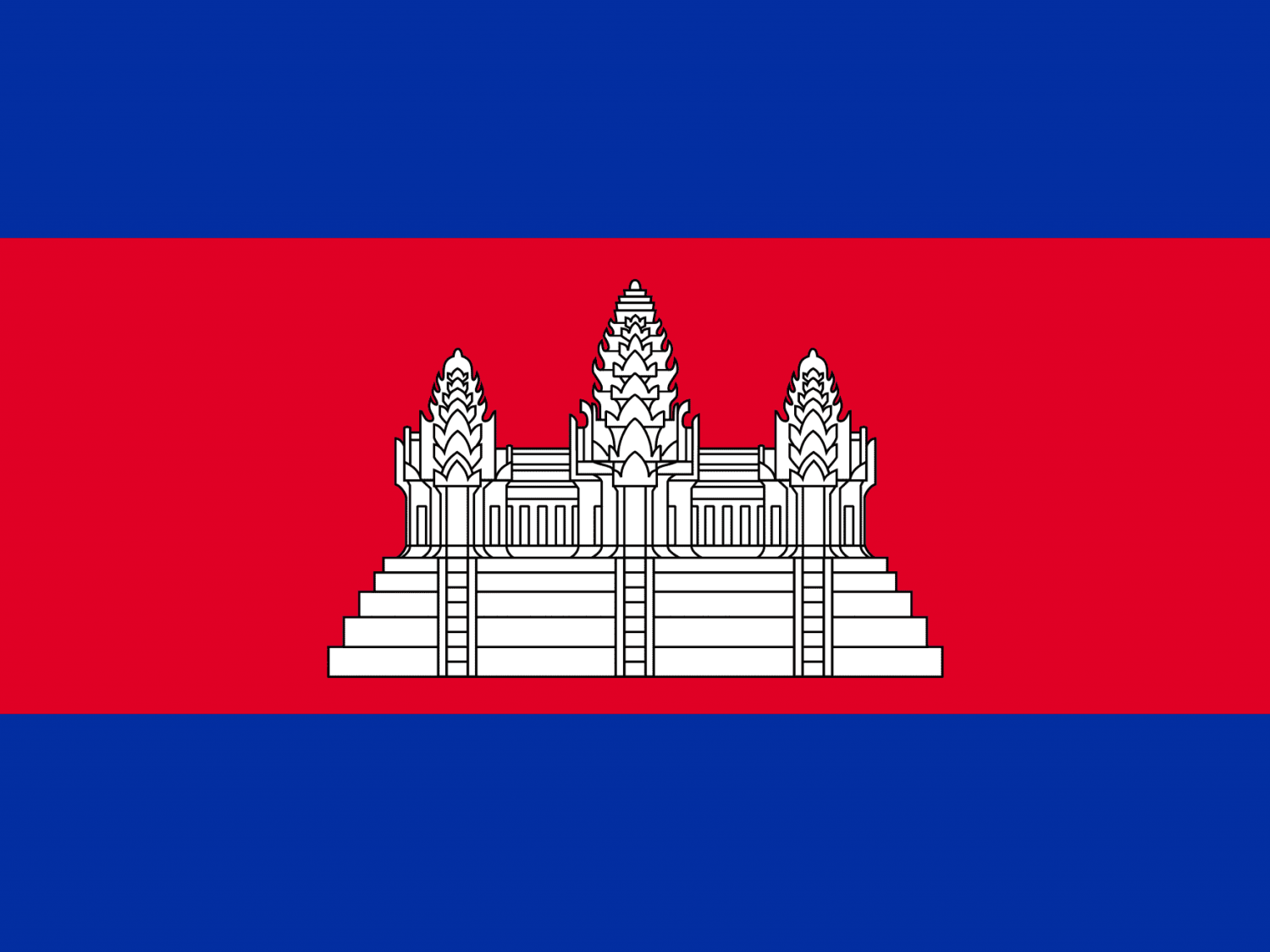
Cambodia, located in Southeast Asia, is a country known for its rich history, ancient temples, and vibrant culture. The capital, Phnom Penh, is a bustling city with a mix of colonial architecture and modern development. Cambodia’s famous Angkor Wat complex is a UNESCO World Heritage site and a symbol of the country’s historical significance. While Cambodia is a country of great beauty and potential, it also faces challenges, including poverty, corruption, and underdeveloped infrastructure, which can impact the experience of living there.
Why Move to Cambodia
Moving to Cambodia offers an opportunity to experience a country with a unique blend of ancient traditions and emerging modernity. The cost of living is low, making it an attractive destination for expatriates seeking an affordable lifestyle in a culturally rich environment. Cambodia is also known for its welcoming and friendly people. However, it’s important to be aware of the country’s challenges, including limited healthcare facilities, political instability, and the need for caution regarding safety and legal matters.
Cost of Living in Cambodia
The cost of living in Cambodia is generally low, especially compared to Western countries and neighboring Thailand or Vietnam. Housing, food, and transportation are very affordable, allowing expatriates to live comfortably on a modest budget. However, while basic goods are inexpensive, imported items and luxury services can be costly. Additionally, infrastructure can be inconsistent, with frequent power outages and varying internet quality, especially outside major cities.
Visa and Residency
Types of Visas
Cambodia offers various visa options, including tourist, business, and retirement visas. The visa process is relatively straightforward, with many expatriates choosing to enter on a tourist visa and then applying for a long-term visa once in the country. Business visas are renewable and can be extended indefinitely, making them a popular choice for those planning a longer stay. However, it’s essential to stay informed about the latest visa regulations, as policies can change.
Requirements for Obtaining Residency
Obtaining residency in Cambodia is relatively easy compared to many other countries in the region. For most expatriates, securing a long-term visa, such as a business visa, is sufficient for living in the country. There are no formal residency requirements for most visas, but it is essential to comply with visa renewal processes and ensure that all legal documentation is up to date. Bribery and corruption can sometimes play a role in official processes, so it’s important to be cautious and seek reliable advice.
Renewing Residency
Renewing residency in Cambodia involves renewing your long-term visa, which is generally a straightforward process if you maintain the required documentation. It’s advisable to start the renewal process early to avoid any complications. Be mindful of the need to use reputable agents or services to assist with visa renewals, as there can be scams targeting expatriates.
Finding Accommodation
Popular Neighborhoods in Cambodia
In Phnom Penh, popular neighborhoods for expatriates include BKK1 (Boeung Keng Kang 1), Riverside, and Tonle Bassac, which offer a range of housing options from modern apartments to traditional Khmer-style homes. Siem Reap, known for its proximity to Angkor Wat, is another popular destination with a more laid-back atmosphere. Sihanoukville, once a favorite coastal spot, has seen rapid development but also faces issues with over-tourism and crime. Housing quality varies widely, so it’s important to inspect properties carefully before committing.
Renting vs Buying Property
Renting is the most common option for expatriates in Cambodia, with a wide range of properties available at affordable prices. Long-term leases are common, and many landlords are flexible with terms. Buying property as a foreigner is possible, but it comes with restrictions. Foreigners cannot own land outright but can own properties on the first floor and above (strata titles) or enter into long-term leases. Due diligence is crucial when buying property due to the complex legal landscape and issues with property rights.
Tips for Finding Accommodation
When searching for accommodation in Cambodia, consider factors such as proximity to work, safety, and access to amenities. It’s recommended to work with a reputable real estate agent who understands the local market. Be aware that some areas may have issues with flooding, noise, or crime, so it’s important to research neighborhoods thoroughly. Negotiating rent is common, and leases should be carefully reviewed to ensure all terms are clear and fair.
Cambodia’s location in Southeast Asia offers easy access to neighboring countries with diverse cultures and landscapes. For those interested in exploring the region, the bustling cities and beaches of Thailand, the historic sites and scenic beauty of Vietnam, or the rich cultural heritage of Laos may be appealing options.
Settling In
Healthcare System in Cambodia
The healthcare system in Cambodia is underdeveloped, with limited access to quality medical care, particularly outside Phnom Penh. While there are private hospitals and clinics that cater to expatriates, the standard of care can vary, and serious medical issues often require evacuation to nearby countries like Thailand or Singapore. Comprehensive health insurance that includes medical evacuation coverage is strongly recommended. It’s also important to be aware of the risks of tropical diseases, such as dengue fever and malaria, especially in rural areas.
Education System in Cambodia
Cambodia offers a range of educational options for expatriate families, primarily in Phnom Penh. International schools following British, American, and other curricula are available, but spaces can be limited and fees are high. The quality of education in these schools is generally good, but options are fewer outside the capital. Public education is not usually a viable option for expatriate children due to language barriers and lower standards. Early application is recommended for international schools, especially for popular grades.
Cultural Etiquette and Customs
Cambodia is a country with deep cultural roots, heavily influenced by Buddhism. Understanding and respecting local customs is essential for expatriates. This includes dressing modestly, particularly when visiting temples, and showing respect for religious practices. The Cambodian people are generally polite and reserved, and maintaining a calm demeanor in public is important. Corruption and bureaucratic inefficiencies are part of daily life, and navigating them can require patience and tact. Building good relationships with locals can greatly enhance your experience and help you integrate into Cambodian society.
{filterable_table}
Ready for your move to Cambodia? Get free quotes now!
Enquire about moving offers here and get quick answers with cost estimates.
It only takes 2 minutes and you can save up to 45% on your move to Cambodia!