
Moving to Philippines
Simply move better with reloqio
✔️ Get offers free of charge – No obligation, no worres.
✔️ Quality-tested partners – Reliable and experienced.
✔️ Selection in your region – Find the perfect offer and save up to 45%.
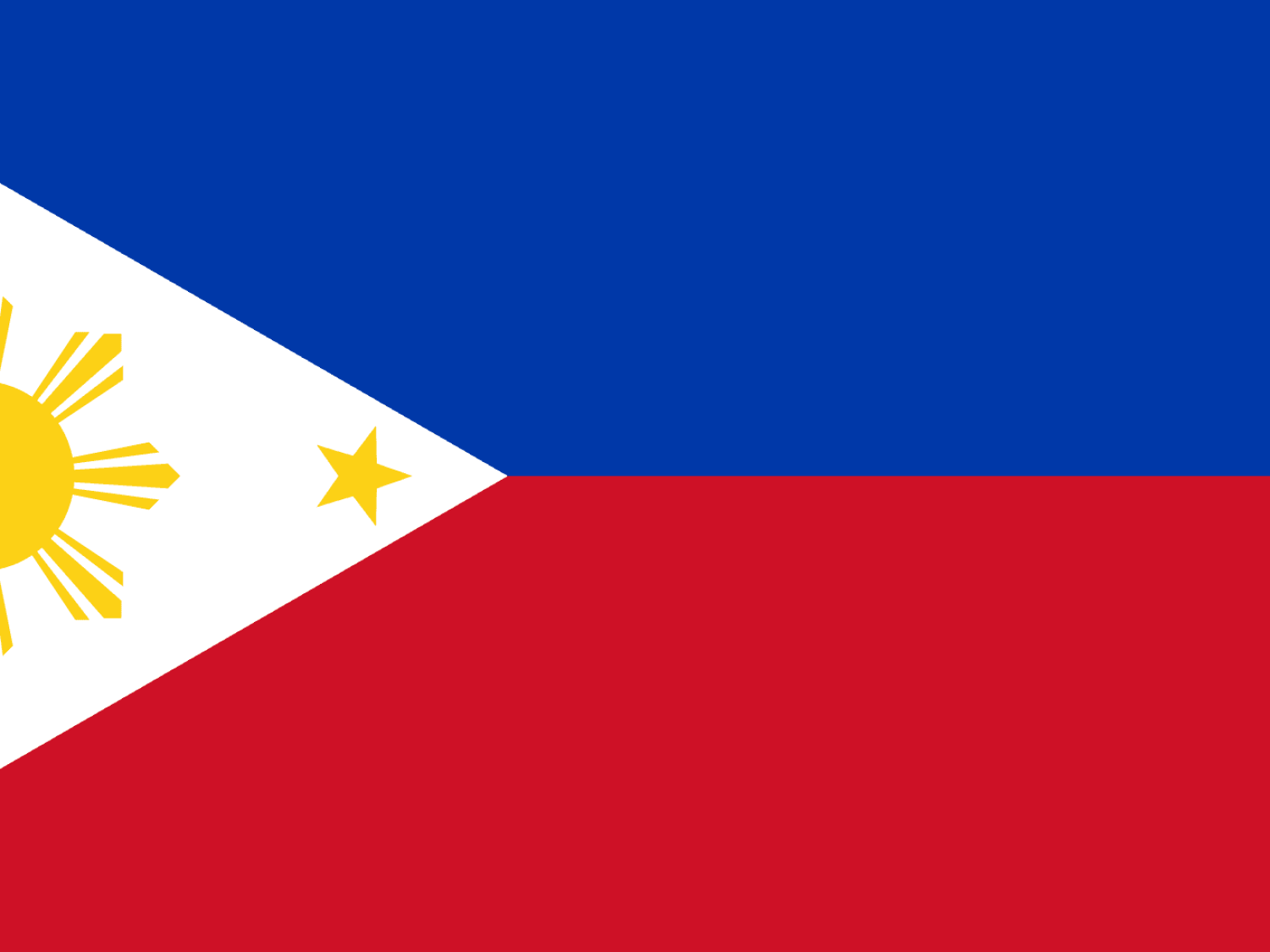
Overview
Introduction to the Philippines
The Philippines, an archipelago of over 7,000 islands in Southeast Asia, is known for its beautiful beaches, diverse landscapes, and vibrant culture. The capital city, Manila, is a bustling metropolis that serves as the country’s economic and political hub, while cities like Cebu and Davao offer a more laid-back atmosphere with modern amenities. The Philippines is renowned for its warm hospitality, diverse cuisine, and a rich mix of cultural influences from its history of Spanish, American, and Asian interactions. While the Philippines offers many advantages, expatriates should be aware of challenges such as traffic congestion in urban areas, occasional natural disasters like typhoons, and navigating the country’s bureaucracy.
Why Move to the Philippines
Moving to the Philippines offers the opportunity to live in a country with stunning natural beauty, a welcoming local population, and a relatively low cost of living. The country’s tropical climate, vibrant expat communities, and widespread use of English make it an attractive destination for expatriates, retirees, and digital nomads. The Philippines also boasts a growing economy, particularly in sectors like business process outsourcing (BPO), tourism, and agriculture. However, expatriates should be prepared for the challenges of adjusting to a different cultural environment, dealing with traffic and infrastructure issues, and understanding local customs and regulations.
Cost of Living in the Philippines
The cost of living in the Philippines is generally low compared to Western countries, making it an attractive destination for those looking to stretch their budgets. Housing is affordable, especially outside major cities like Manila, where rent prices can vary widely depending on location and type of accommodation. Food is inexpensive, with a wide range of options from local markets to international restaurants. Transportation is also affordable, with options including jeepneys, tricycles, and taxis, although traffic congestion in urban areas can be challenging. While the Philippines offers a high standard of living at a reasonable cost, expatriates should budget carefully, particularly for healthcare and international school fees if they have children.
Visa and Residency
Types of Visas
The Philippines offers several types of visas, including tourist, business, and work visas. The 9(a) Tourist Visa is commonly used for short-term visits, while the 9(g) Work Visa is required for expatriates employed in the Philippines. The 13(a) Non-Quota Immigrant Visa is available for foreign spouses of Filipino citizens. Additionally, the Philippines offers a Special Resident Retiree’s Visa (SRRV) for retirees who meet specific financial requirements. It’s important to apply for the correct visa type and ensure all documentation is accurate to avoid delays or complications. The visa process in the Philippines can be complex, so working with an immigration consultant or legal advisor is often recommended.
Requirements for Obtaining Residency
Obtaining residency in the Philippines typically begins with securing a work visa or another appropriate visa. For those planning long-term stays, the 13(a) Non-Quota Immigrant Visa or the Special Resident Retiree’s Visa (SRRV) are common options. The process involves submitting various documents, including proof of financial stability, marriage (if applicable), and a valid passport. Permanent residency is available under certain conditions, such as marriage to a Filipino citizen or meeting the financial requirements for the SRRV. The process can be bureaucratic, so it’s advisable to work closely with a legal advisor to navigate it successfully.
Renewing Residency
Renewing residency in the Philippines involves extending your visa or residency permit. The renewal process typically requires submitting updated proof of employment, financial stability, and other relevant documents. It’s advisable to start the renewal process well before your current permit expires to avoid any legal issues. Employers often assist with the renewal process for work visas, but it’s crucial to stay informed about any changes in immigration laws and ensure all paperwork is submitted on time. For retirees on the SRRV, renewals are generally straightforward but still require careful attention to detail.
Finding Accommodation
Popular Neighborhoods in the Philippines
In Manila, popular neighborhoods for expatriates include Makati, Bonifacio Global City (BGC), and Alabang. Makati is the country’s financial district, known for its modern high-rises, shopping malls, and international restaurants. BGC is a newer, upscale area with a mix of residential, commercial, and entertainment options, favored by younger expatriates and professionals. Alabang offers a more suburban lifestyle with spacious homes, green spaces, and good schools, making it popular with families. In Cebu, areas like IT Park and Lahug are popular among expatriates, while in Davao, the city center and suburbs like Lanang are preferred. Housing in these areas can vary widely in price and quality, with options ranging from luxury condos to more affordable apartments and houses.
Renting vs Buying Property
Renting is the most common option for expatriates in the Philippines, as property ownership for foreigners is generally restricted to condominiums or long-term leases on land. Rental properties are widely available, ranging from luxury condos in Manila to more affordable houses in suburban areas. Leases typically require a security deposit and the first month’s rent in advance. Buying property in the Philippines is possible for foreigners under specific conditions, such as purchasing a condominium unit where foreign ownership does not exceed 40% of the building. It’s advisable to work with a reputable real estate agent and legal advisor if considering purchasing property in the Philippines.
Tips for Finding Accommodation
When searching for accommodation in the Philippines, consider factors such as proximity to work, access to public transportation, and availability of amenities like schools, healthcare, and shopping centers. Working with a local real estate agent can be helpful, especially for expatriates unfamiliar with the market. It’s important to inspect properties carefully before signing a lease, as the quality of housing can vary widely. Be prepared to negotiate rental terms, and ensure that all lease agreements are clear and legally sound. Given the high demand for quality housing in popular areas, it’s advisable to start your search early and be prepared to act quickly when you find a suitable property.
The Philippines’ location in Southeast Asia offers easy access to neighboring countries, providing ample opportunities for regional travel. For those interested in exploring the region, the cultural richness and historical sites of Vietnam, the vibrant cities of Thailand, or the natural beauty of Indonesia are all within reach.
Settling In
Healthcare System in the Philippines
The Philippines has a mixed healthcare system with both public and private options available. Public healthcare is accessible but can be under-resourced, particularly outside major cities like Manila and Cebu. Many expatriates prefer private healthcare facilities, which offer higher standards of care, shorter waiting times, and English-speaking staff. Private healthcare is relatively affordable compared to Western standards, but it’s still advisable to have comprehensive health insurance to cover costs. The country’s hospitals and clinics are generally well-equipped in urban areas, making it a reliable place for both routine and specialized medical care.
Education System in the Philippines
The Philippines offers a variety of educational options for expatriate families, including public schools, private schools, and international schools. Public schools follow the Philippine curriculum and teach primarily in English and Filipino, which can be beneficial for expatriate children. However, most expatriate families opt for international schools, which offer curricula based on British, American, or International Baccalaureate (IB) systems. These schools are primarily located in Manila and Cebu and are known for their high academic standards, though fees can be high. Early application is recommended, as spaces in international schools can be limited, particularly in popular grades.
Cultural Etiquette and Customs
The Philippines is a culturally diverse country with strong influences from Spanish, American, and Asian traditions. Understanding and respecting local customs is important for expatriates. Hospitality is a key aspect of Filipino culture, and it’s common to be invited to homes for meals, where showing appreciation for the food and hospitality is essential. Filipinos place a high value on family and community, and social interactions are often warm and friendly. Dress codes are generally modest, especially in more traditional or rural areas. Learning some basic Filipino phrases and understanding local customs can greatly enhance your experience and help you integrate more smoothly into Filipino society.
{filterable_table}
Ready for your move to Philippines? Get free quotes now!
Enquire about moving offers here and get quick answers with cost estimates.
It only takes 2 minutes and you can save up to 45% on your move to Philippines!